
COURAGE, CLARITY AND COMPASSION
CROSSROADS
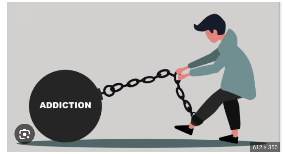
Perhaps the more perplexing—and frustrating—aspect of opioid addiction is the dramatic shift seen in individuals’ behavior. From the outside, it appears as if individuals’ basic survival instincts may be subsumed by their addiction: they start to behave as if the drug is the most important thing in the world and they will literally risk their lives to obtain it. This phenomenon is captured through the concept of incentive salience—essentially, how the brain attributes value and importance to objects in the environment. As opioid use progresses, neuro-plastic changes in cognitive and reward circuits lead individuals to preferentially attend to opioid- and pain related cues, thereby hindering healthy interactions with the environment . Neurobiologically, the drug is perceived as holding greater value than naturally occurring rewards (such as food, sex, and socialization).

The 4 C’s of
addiction
COMPULSION
The development of compulsion in addiction is closely linked to changes in the brain’s reward system. When a person uses a substance or engages in an addictive behavior, the brain releases dopamine, a neurotransmitter responsible for producing feelings of pleasure and reward.
Over time, the brain’s reward system adapts to the repeated exposure to the addictive substance or behavior, leading to a decreased sensitivity to natural rewards and an increased reliance on the addictive behavior to achieve a sense of pleasure.
Compulsion is also influenced by psychological factors, such as stress, anxiety, and trauma. These factors may contribute to the development of addiction by making individuals more susceptible to the rewarding effects of addictive substances or behaviors.We're not here to follow trends—we're here to build something timeless. With a blend of creativity, strategy, and heart, we help ideas come to life. Every project we take on is an opportunity to learn, grow, and do something meaningful. We treat our clients like partners and our work like craft.
CRAVINGS
Cravings are often triggered by cues in the environment, such as places, people, or situations associated with the addictive behavior. For example, a person recovering from nicotine addiction might experience strong cravings when they see someone smoking or smell cigarette smoke. These triggers can be powerful and difficult to resist, making relapse more likely.
Understanding the role of craving in addiction is essential for recovery, as it highlights the importance of developing coping strategies to manage triggers and resist cravings effectively.
CONSEQUENCES
Physical consequences of addiction may include health problems related to substance abuse, such as liver damage from alcohol use or lung problems from smoking. In the case of behavioral addictions, physical consequences can result from the neglect of one’s health and well-being, such as sleep deprivation or poor nutrition.
Mental health consequences of addiction can be equally devastating, with individuals experiencing increased rates of depression, anxiety, and other psychological disorders. The shame and guilt associated with addiction can also contribute to feelings of low self-esteem and self-worth.
Social consequences of addiction often involve damage to relationships with friends, family, and romantic partners. Addictive behaviors can lead to isolation, as individuals may withdraw from their support networks to focus on their addiction. Additionally, addiction can strain relationships due to lying, stealing, or neglecting the needs of loved ones.
Financial consequences of addiction can be severe, as individuals may prioritize spending money on their addiction over essential needs like food, rent, and bills. In some cases, this can lead to job loss, debt, or even homelessness.
Acknowledging and understanding the consequences of addiction is a crucial step in the recovery process. It helps individuals recognize the impact their addiction has had on their lives and provides motivation for change. all begins with an idea. Maybe you want to launch a business. Maybe you want to turn a hobby into something more. Or maybe you have a creative project to share with the world. Whatever it is, the way you tell your story online can make all the difference.
CONTROL
The loss of control in addiction can be attributed to changes in the brain’s prefrontal cortex, which is responsible for decision-making, impulse control, and the ability to foresee the consequences of one’s actions. As addiction develops, the prefrontal cortex becomes less effective in regulating behavior, leading to increased impulsivity and diminished self-control.
Regaining control is a fundamental aspect of the recovery process. By developing healthier coping strategies, improving decision-making skills, and repairing the neural pathways damaged by addiction, individuals can reclaim control over their lives and work toward a successful recovery.

How Does Addiction Affect the Brain?
Science is slowly but surely unlocking the mystery of addiction. Learning about how psychoactive substances can take the brain hostage, leading to substance dependency and addiction, is an ever-evolving research field. As we understand how substances affect neurochemistry, new medications that help support recovery will be developed.
What is Addiction?
When someone uses a substance, whether for recreational purposes, to self-medicate a mood disorder, or control pain after a surgery or injury, they often experience a euphoric or relaxing effect. This pleasurable response registers in the brain’s reward system as a positive, desirable experience. The memory of this experience then motivates the person to repeat it.
Unfortunately, repeated exposure to the substance over time can result in addiction or substance use disorder. This happens when the substance causes adaptations in brain chemicals, neural pathways, and the central nervous system, setting up the three-stage cycle of addiction. The cycle of addiction includes:
Stage 1: Intoxication. The individual experiences pleasant effects of the substance due to the release of dopamine in the brain. Over time, the brain makes a connection between pleasure and the substance, leading the individual to continue using the substance.
Stage 2: Withdrawal. Once the brain adaptations to the substance have occurred, the individual experiences unpleasant withdrawal effects when the substance wears off. This causes the person to return to the substance, no longer to experience the euphoria or pleasant effects, but to avoid feeling sick from the withdrawal symptoms.
Stage 3: Anticipation. The individual becomes preoccupied with seeking out the substance after its effects have worn off. The brain’s executive functions, such as emotion control, decision-making, impulse control, and prioritizing tasks, are overridden due to a disruption in brain chemistry. The person loses control over the substance and the addiction cycle repeats.
Drug and Alcohol Effects on the Brain
Historically, addiction was blamed on a lack of moral character, sowing the early seeds of stigma. It wasn’t until the 1950s that the American Medical Association recognized that alcoholism was a disease of the brain. This opened up a whole new realm of scientific discovery regarding the impact of substances on brain structures and functioning, and how to best provide treatment for individuals with substance use disorders.
Understanding the neurobiological aspects of addiction helps us to better grasp how a substance can have such devastating effects on someone’s life. Ongoing study of the neuroadaptations that occur from substance use has shed light on the long-term effects of these brain changes. We now know that the altered neural pathways can remain altered long after someone has stopped using the substance. This discovery has contributed to our understanding of how powerful cravings can lead to relapse, months or even years into recovery.
Factors that Contribute to Addiction
Why one person may become addicted to a substance where another, with the same consumption habits, does not remain one of the more vexing questions about substance use and addiction. Substance use can progress due to several factors that influence substance-seeking behaviors. These factors include:
Genetics and biology. Family history of addiction and other still unknown biological factors can predispose someone to addiction.
Age of onset. The earlier the substance use begins, the higher the chances that the individual will develop a substance use disorder later in life.
Personality traits. The person’s unique psychological makeup, coping skills, temperament, resilience capacity, and personality all factor in.
Environmental. Family dynamics and early childhood experiences shape a person’s mental wellbeing. A history of abuse, neglect, attachment disorder, and family discord can set the stage for a substance use disorder later in life.
Negative life events. Experiencing trauma or the loss of a parent or sibling, or any devastating life event can lead someone to begin self-medicating symptoms of depression or anxiety.
There is still much to be learned about why some people develop addictions while others do not. The more that is revealed through neurobiology, the clearer our understanding becomes about the prevention, causes, and treatment of substance use disorders.


—Former Customer